Understanding Shredder Blade Types for Recycling and Waste Processing
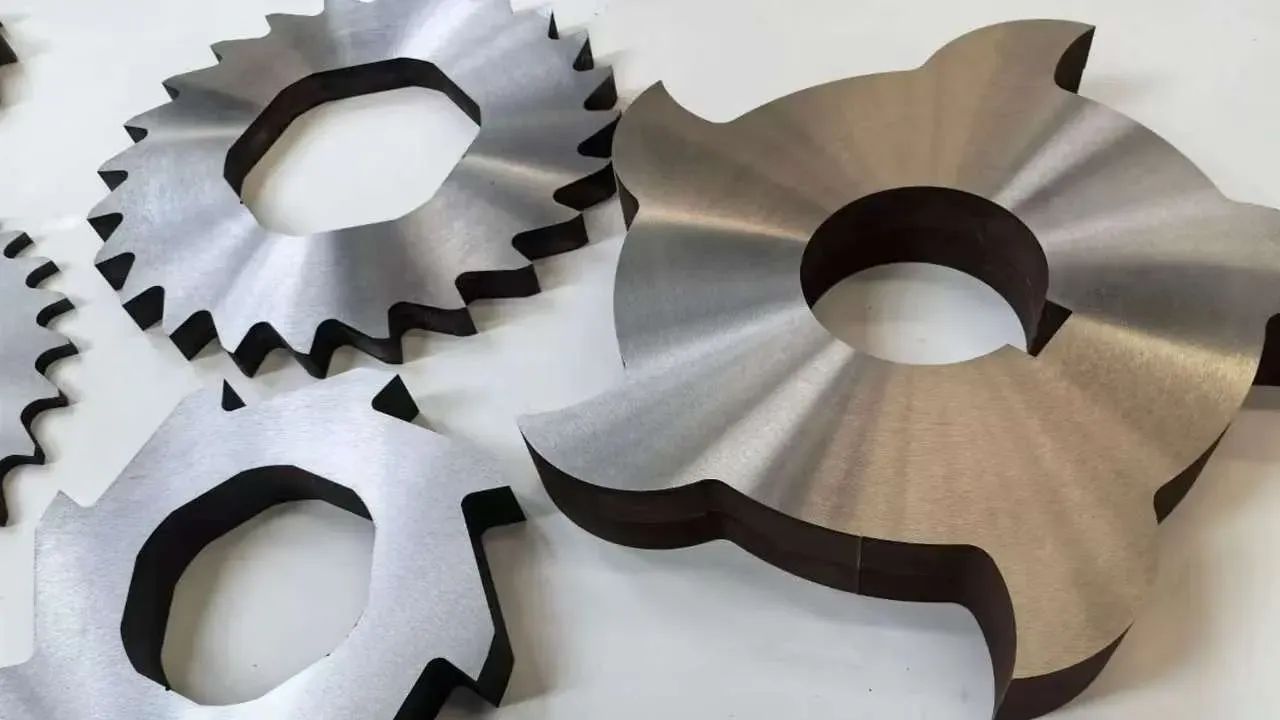
The blades for shredder are very crucial in the process of recycling and waste processing to identify the level of efficiency, reliability, and overall performance of industrial shredders. The working of Shredders is based on the processing of a wide variety of materials, including plastics and metals, wood, textiles and electronic waste. The different kinds of materials are not easily cut, torn or reduced in sizes and each material has a different challenge and thus needs a different type of blade to cut, tear and reduce it. The knowledge of the various types of shredder blades is crucial to the operators and engineers who are interested in maximizing productivity, reducing downtime and ensuring the consistent yielding of material in the recycling and waste management processes.
Single Blades for General Shredding
Some of the most popular types used in shredding processes are single blades. They are allocated to the work of lighter shredding or general shredding and are successful with the softer materials, like paper, cardboard, and plastics of thinness. The ease of single-blade blades enables them to offer dependable performance at minimal maintenance costs. Their design allows them to feed the material easily and reduce the size consistently, thus they are best suited for the process of any task where they do not have to achieve the best results in shredding, but they need to achieve efficiency and reliability.
Double Blades for Higher Efficiency
The double blades have two cutting edges, which turn together, and hence they are more effective in shedding than the single blades. This type of design is especially useful in more difficult materials or processes that demand a smaller particle product. In the recycling plant where plastics, rubber, or composite materials are used, double blades are more effective because they can work with a larger amount of weight without reducing the quality of the shredded material. Their structure enhances continuous cutting and minimizes the chances of jamming, making the working process in harsh industrial environments much easier.
Hook Blades for Fibrous Materials
Hook blades have been specifically crafted to handle fibrous or stringy materials that are likely to get tangled in regular blades. These blades would be perfect for shredding textiles, fabrics, ropes and other fibrous wastes. The hooked design can be gripped and cut more easily, eliminating the possibility of the wrapping of the material around the shredder shaft. Hook blades make the operations with complex or irregular materials more efficient by helping the equipment to feed and shred more easily.
Needle Blades for Soft and Fluffy Materials
Needle blades have thin needle-like shapes which are suitable for handling soft, fluffy or lightweight materials like foam, sponges and some textiles. The thin cutting edges cut through soft materials without crushing or compacting them, and preserve the integrity of the cut output. Recycling purposes associated with the use of needle blades frequently involve the need to handle materials softly and insensitively, making sure that the particle size remains constant with limited use of energy.
Shear Blades for Hard Materials
Shear blades are two cooperating edges that operate to shear harder materials such as metals, plastics and rubber. These blades are designed to have the optimum cutting power and durability, such that they can cut thick or rough waste. A preferred item in a recycling plant where electronic waste, scrap metal or mixed industrial materials are delivered is a shear blade, which has a specific cutting action that leads to wear and, therefore, extends the life of the shredder.
Dual Shaft Blades for High-Capacity Shredding
Special dual-shaft blades are used to serve dual-shaft shredders that are customized to serve high capacity. These blades enhance material breaking up and throughput compared to having two shafts in contact with each other at the same time, so that there is more uniform shredding of large or irregularly shaped objects. Dual shaft blades are especially useful in municipal solid waste, wood recycling and heavy industrial shredding, where huge amounts of material need to be handled effectively and reliably.
Conclusion
Recycling and waste processing processes should also be performed with an understanding of the different types of shredder blades. Every type of blade, single, double blades, hook, needle, shear, dual shaft, or fan-type, is designed to meet a particular need, and is designed to cut certain types of materials most efficiently. The choice of the correct blade guarantees uniform cut material size, minimization of wear and maintenance, and improvement in the overall output of the shredding. The process of recycling and waste management can be carried out through the investment in the most appropriate blades in terms of every specific application, which will result in a high level of performance, prolonging the life of equipment, and maintaining high levels of operational efficiency.